Blog

  • Investment Opportunities in Brooklyn

    Brooklyn has evolved from a cultural enclave into one of the nation’s most dynamic real‑estate markets. For investors, the borough offers a compelling blend of cash‑flow stability, strong appreciation, and diverse neighborhoods poised for the next wave of growth. In this post, we break down the key data points and strategic considerations that can help you make informed investment decisions in Brooklyn.

    Why Brooklyn Is a Hot Investment Destination

    Several macro‑level factors make Brooklyn attractive to both domestic and foreign investors:

    • Population Growth: Brooklyn’s population increased by 3.5% in the past three years, driven by migration from Manhattan and other boroughs.
    • Transit Infrastructure: Ongoing upgrades to the L‑train, new bike lanes, and the East River Ferry service improve accessibility, boosting property desirability.
    • Economic Diversification: A thriving tech, creative, and hospitality sector creates a resilient job market that supports stable rental demand.

    Cash Flow Analysis Fundamentals

    Understanding cash flow is the first step in evaluating any rental investment. Below is a simple framework you can apply to Brooklyn properties:

    1. Calculate Gross Rental Income – average rent for a one‑bedroom unit in the target neighborhood.
    2. Subtract Operating Expenses – include property tax (≈ 1.2% of assessed value), insurance, management fees (8‑10% of rent), routine maintenance, and a reserve for capital expenditures.
    3. Factor in Vacancy Rate – a conservative 5% vacancy assumption works well in high‑demand areas.
    4. Determine Net Operating Income (NOI) and compare it to financing costs to arrive at cash‑on‑cash return.

    For example, a 1,200 sq ft condo in Clinton Hill renting for $2,800/month yields a cash‑on‑cash return of roughly 7% after accounting for a 30% loan‑to‑value mortgage at 4.5% interest.

    Appreciation Trends & Historical Data

    Brooklyn’s appreciation outpaces the national average. According to the latest market report from Ditmas Realty Group:

    • Median home price increased 12% YoY in 2023.
    • Over the past five years, the borough saw a cumulative appreciation of 55%, with prime neighborhoods such as Williamsburg and DUMBO posting double‑digit gains.
    • Even traditionally undervalued areas like Bushwick and Bed‑Stuy have appreciated between 8‑10% annually, indicating a broad-based upside.

    These trends suggest that the upside potential remains strong, particularly when paired with a solid cash‑flow profile.

    Neighborhoods With High Growth Potential

    While Brooklyn is large, a few sub‑markets stand out for investors seeking a balance of cash flow and appreciation:

    1. Bushwick

    • Median rent: $2,300 (1‑bedroom)
    • Median sale price: $550,000
    • Key drivers: New artisanal breweries, increased transit options, and a surge in co‑working spaces.

    2. Sunset Park

    • Median rent: $2,100 (1‑bedroom)
    • Median sale price: $450,000
    • Key drivers: Proximity to the Brooklyn‑Queens Expressway, waterfront redevelopment, and growth in manufacturing loft conversions.

    3. East New York

    • Median rent: $2,000 (1‑bedroom)
    • Median sale price: $420,000
    • Key drivers: Large‑scale public‑private redevelopment projects and upcoming rezoning that will add mixed‑use housing.

    These neighborhoods offer a sweet spot of affordable entry prices and strong rental demand, allowing investors to lock in both cash flow and appreciation.

    Rental Market Insights

    Brooklyn’s rental market remains tight, but there are nuances worth noting:

    • Unit Mix Preference: One‑ and two‑bedroom units dominate demand, especially among young professionals and small families.
    • Rental Increments: Annual rent growth of 3‑4% is typical in high‑performing sub‑markets.
    • Short‑Term Rental Regulations: While short‑term rentals are restricted in many districts, neighborhoods with flexible zoning (e.g., Bushwick) still allow limited Airbnb activity, adding a potential upside stream.

    Strategic Investment Guidance

    To capitalize on Brooklyn’s opportunities, consider the following strategic steps:

    1. Leverage Local Market Reports: Use Ditmas Realty Group’s monthly Brooklyn market reports to stay ahead of price movements and inventory shifts.
    2. Target Value‑Add Properties: Look for units that need cosmetic upgrades (e.g., kitchen refresh, new flooring). A modest $15,000 renovation can boost rent by 10‑15%.
    3. Adopt a Diversified Portfolio: Combine a core‑hold property in a stable area (e.g., Park Slope) with a higher‑risk, higher‑reward asset in an emerging neighborhood (e.g., East New York).
    4. Utilize Professional Management: A reputable property manager can reduce vacancy periods and handle tenant turnover efficiently, protecting your cash flow.
    5. Plan for Long‑Term Growth: Hold properties for at least 5‑7 years to fully capture appreciation cycles, while regularly reassessing rent escalations.

    Finally, schedule a consultation with Ditmas Realty Group’s investment specialists. Our team can provide tailored cash‑flow models, detailed neighborhood analyses, and assistance with financing to ensure your Brooklyn investment aligns with your financial goals.

    Conclusion

    Brooklyn’s blend of robust rental demand, consistent appreciation, and diverse sub‑market dynamics makes it an ideal arena for both new and seasoned investors. By conducting disciplined cash‑flow analysis, focusing on growth neighborhoods, and leveraging local expertise, you can position yourself to reap both immediate income and long‑term equity gains.

  • First Time Home Buyer Guide

    Welcome to Your Brooklyn Home Buying Journey

    Buying a home for the first time in Brooklyn can feel like navigating a maze of paperwork, neighborhoods, and deadlines. That’s why we’ve built this comprehensive guide to break the process into manageable steps. From securing a mortgage pre‑approval to moving day, you’ll find practical tips, realistic timelines, and a clear picture of how Ditmas Realty Group’s buyer‑support team will be by your side.

    1. Get Pre‑Approved Before You Start House Hunting

    Why pre‑approval matters: A pre‑approval letter shows sellers that you’re a serious, qualified buyer and gives you a realistic budget range. It also speeds up the final approval once you find a home you love.

    • Gather your financial documents: recent pay stubs, W‑2s, tax returns (last two years), and statements for all assets (checking, savings, retirement).
    • Check your credit score: A score of 620+ is usually needed for a conventional loan; higher scores get better rates.
    • Choose the right loan type: Fixed‑rate, adjustable‑rate, FHA, or NY State-specific programs such as the HomeFirst™ down‑payment assistance.
    • Shop around for lenders: Compare interest rates, fees, and customer reviews. Ditmas Realty Group can recommend trusted mortgage partners.

    Once your lender issues a pre‑approval, you’ll receive a letter that lists the loan amount you qualify for, the loan type, and any conditions that must be met before closing.

    2. Selecting the Right Brooklyn Neighborhood

    Brooklyn’s 18+ neighborhoods each have a distinct vibe, price range, and amenities. Here are four popular areas for first‑time buyers, along with key considerations.

    • Park Slope

    Family‑friendly, historic brownstones, excellent schools, and a vibrant commercial corridor. Median home price is higher, but the long‑term appreciation potential is strong.

    • Bushwick

    Emerging arts scene, loft‑style condos, and more affordable price points. Ideal for buyers who appreciate creative energy and are comfortable with a bit of renovation.

    • Bay Ridge

    Quiet, waterfront feel with easy subway access (D,N,R). Home prices are lower than Manhattan‑adjacent neighborhoods, making it a great entry point.

    • Crown Heights

    Diverse community, growing restaurant scene, and a mix of co‑ops and condos. Recent transit improvements have boosted demand.

    When choosing, consider your commute, lifestyle preferences, future resale potential, and the type of property you’re comfortable with (co‑op, condo, or townhouse).

    3. Understanding the Closing Process

    After your offer is accepted, the closing process typically takes 30‑45 days. Here’s a timeline of what to expect.

    1. Escrow opens: Your earnest money is deposited, and the seller’s attorney begins the title search.
    2. Home inspection: Hire a qualified inspector; negotiate repairs or credits based on findings.
    3. Appraisal: Your lender orders an appraisal to confirm the home’s market value meets the loan amount.
    4. Finalize loan paperwork: Submit any additional documentation the lender requests (e.g., proof of insurance).
    5. Review closing disclosure: Receives at least three days before closing; verify all fees and credits.
    6. Closing day: Sign the deed, mortgage, and other documents. Transfer of ownership occurs, and you receive the keys.

    Ditmas Realty Group’s agents will walk you through each step, coordinate with attorneys, and ensure you understand every line on the closing disclosure.

    4. Common Pitfalls – How to Avoid Them

    • Over‑budgeting: Buyers often assume they can afford a higher mortgage payment than the pre‑approval amount. Stick to the pre‑approval limit and factor in property taxes, insurance, and maintenance.
    • Skipping the home inspection: Even newer homes can have hidden issues. An inspection protects you from costly surprises.
    • Ignoring co‑op board requirements: Co‑ops have strict financial and interview criteria. Review the board’s questionnaire early.
    • Not budgeting for closing costs: Expect 2‑5% of the purchase price for taxes, attorney fees, title insurance, and lender fees.
    • Letting emotions drive the decision: It’s easy to fall in love with a property, but stay objective—compare the home’s price per square foot and condition against similar listings.

    5. Timeline Expectations for First‑Time Buyers

    Phase Typical Duration
    Mortgage Pre‑Approval 1‑3 business days
    Home Search 2‑8 weeks (depends on market)
    Offer & Negotiation 1‑5 days
    Inspection & Appraisal 10‑15 days
    Loan Approval & Closing Prep 15‑30 days
    Closing 1 day

    These timelines are estimates; your agent will keep you updated if any delays arise.

    6. Ditmas Realty Group’s Buyer Support Process

    Our team has refined a four‑stage support system that ensures first‑time buyers feel confident from start to finish.

    Stage 1 – Discovery Call

    We discuss your budget, ideal neighborhoods, and lifestyle priorities. You’ll also receive a personalized pre‑approval checklist.

    Stage 2 – Curated Property Tour

    Based on your criteria, we schedule private showings of homes that fit your budget and goals. Each tour includes a brief market snapshot for the area.

    Stage 3 – Offer & Negotiation Coaching

    We draft a competitive offer, explain contingencies, and negotiate repairs or price adjustments on your behalf.

    Stage 4 – Closing Concierge

    Our closing concierge coordinates with lenders, attorneys, and inspectors to keep the process on track. We also provide a “move‑in checklist” to help you settle smoothly.

    Throughout the journey, you’ll have a dedicated agent who is reachable via phone, text, or email, and who will send you weekly status updates.

    Practical Tips for a Smooth Experience

    • Set a realistic budget early – Include a buffer for unexpected costs.
    • Attend open houses with a checklist – Note structural features, natural light, and neighborhood noise.
    • Keep communication lines open – Promptly respond to requests from lenders or the seller’s agent.
    • Review the co‑op/condo bylaws – Ensure pet policies, renovations, and subletting rules align with your plans.
    • Plan your move ahead of time – Book movers, change your address, and set up utilities at least two weeks before closing.

    Ready to Start Your Brooklyn Homeownership Journey?

    Whether you’re eyeing a brownstone in Park Slope or a loft in Bushwick, the path to homeownership becomes clear when you have the right knowledge and a trusted partner. Contact Ditmas Realty Group today for a free consultation, and let us turn your first‑time buyer dreams into reality.

  • Brooklyn Real Estate Market Update 2024

    Ditmas Realty Group presents a comprehensive look at the Brooklyn real‑estate market in 2024. Whether you’re a buyer, seller, or investor, understanding the latest data helps you make informed decisions. Below we break down price movements, inventory levels, and the standout neighborhoods of Ditmar Park, Midwood, and Kensington, followed by an outlook for the remainder of the year.

    2024 Market Overview

    Brooklyn has continued its robust recovery from the pandemic slowdown, driven by strong demand for both single‑family homes and multifamily units. According to the latest MLS data, the borough’s median home price sits at $825,000, up 6.3% year‑over‑year. The rental market remains tight, with average rents climbing 4.1% to $3,200 for a two‑bedroom unit.

    Price Trends by Property Type

    • Single‑Family Homes: Median price $950,000 (+7.5% YoY). The most active price brackets are $700k–$1.1M, reflecting continued buyer interest in suburban‑feel properties with yards.
    • Condos & Townhouses: Median price $680,000 (+5.2% YoY). Demand is especially high in neighborhoods with strong transit access, such as Williamsburg and Bushwick.
    • Multi‑Family Buildings (2–4 units): Median price $1.2M (+8.1% YoY). Investors are attracted by rising rents and low vacancy rates.

    Inventory Levels

    Inventory remains the limiting factor in Brooklyn’s market. As of Q2 2024, the months‑of‑inventory (MOI) metric is 2.6 months, a slight dip from 2.9 months a year ago. Low supply combined with steady demand has kept price appreciation healthy across the borough.

    Neighborhood Highlights

    Ditmas Park

    Known for its historic Victorian homes and tree‑lined streets, Ditmas Park has become a hotspot for families and remote workers seeking a quieter vibe while staying close to Manhattan. In 2024, the median home price in Ditmas Park is $820,000, a 5.9% increase from 2023. Inventory is scarce—average days on market (DOM) are just 19 days—indicating a competitive environment. Key drivers include:

    • Strong school ratings (PS 146 and PS 140)
    • Improved bike lanes connecting to Prospect Park
    • Increasing interest from buyers relocating from Queens and Manhattan

    Midwood

    Midwood continues its steady ascent as a family‑friendly neighborhood with a blend of single‑family homes and modest condos. The median price sits at $735,000, up 6.4% YoY. Unlike some higher‑priced Brooklyn areas, Midwood offers relatively larger lot sizes, making it attractive for buyers who need space for home offices or gardens. Recent trends:

    • Newly‑approved zoning changes allowing limited mixed‑use development, which could boost local amenities.
    • Transit upgrades on the B/Q trains, shortening commutes to downtown Brooklyn.
    • Steady rental demand from college students attending nearby institutions.

    Kensington

    Kensington’s diverse housing stock—from early‑20th‑century rowhouses to newer low‑rise apartments—has attracted a mix of first‑time buyers and investors. The median price is currently $790,000, reflecting a 7.1% increase over the previous year. Inventory remains tighter than neighboring Flatbush, with an average of 22 days on market. Notable factors influencing Kensington’s market:

    • Proximity to the new Kensington Bus Rapid Transit (BRT) corridor, improving east‑west connectivity.
    • Growing culinary scene that adds lifestyle appeal.
    • Increased interest from tech professionals who value the neighborhood’s quiet streets and convenient subway access (A/C lines).

    Forecast for the Rest of 2024

    Looking ahead, we anticipate continued price growth but at a more moderated pace as new construction adds modest supply. Key forecasts:

    1. Price Growth: Expect a 4–5% increase in median prices by year‑end, with single‑family homes leading the rise.
    2. Inventory: Months‑of‑inventory should edge up to around 3.0 months as developers break ground on several mid‑rise projects slated for 2025 completion.
    3. Buyer Behavior: Anticipate a shift toward more cash offers and low‑rate financing, especially from out‑of‑state investors capitalizing on Brooklyn’s stable rental yields.

    For clients looking to move forward—whether buying, selling, or investing—Ditmas Realty Group can provide the localized expertise needed to navigate these trends. Our deep knowledge of Ditmas Park, Midwood, and Kensington ensures you receive tailored advice that aligns with your goals.

    How Ditmas Realty Group Can Help

    Our team offers:

    • Comprehensive market reports tailored to specific neighborhoods.
    • Strategic pricing analysis for sellers aiming to maximize returns.
    • Investment scouting services focusing on high‑yield multifamily assets.

    Contact us today to discuss how these 2024 market dynamics can work in your favor.

  • Selling Tips Get Top Dollar for Your Brooklyn Home

    Introduction

    Brooklyn’s real‑estate market remains one of the most vibrant in the country. Whether your home sits in Park Slope, Williamsburg, or Bay Ridge, sellers who follow a disciplined, data‑driven approach consistently reap higher offers and faster closings. Below, Ditmas Realty Group walks you through the essential steps—home preparation, staging, pricing, marketing, negotiation, and timeline—to ensure you capture top dollar for your Brooklyn property.

    1. Home Preparation: Fix, Clean, and Upgrade

    First impressions start the moment a potential buyer drives up the curb. A well‑maintained exterior signals that the home has been cared for inside as well.

    • Curb Appeal Boosters: Power‑wash the siding, repaint the front door a fresh hue, and ensure the landscaping is trimmed and weed‑free. Simple upgrades such as a new mailbox or modern house numbers can add polish without breaking the bank.
    • Minor Repairs: Fix leaky faucets, replace cracked tiles, and address any squeaky doors or windows. These inexpensive fixes prevent buyers from imagining expensive hidden problems.
    • Energy‑Efficiency Touches: Install LED lighting fixtures, add programmable thermostats, and seal drafty windows. Energy‑saving features are a strong selling point in a city where utility costs matter.

    When you walk through each room, ask yourself: “If I were the buyer, would this feel move‑in ready?” If the answer is no, make a plan to address the gap before listing.

    2. Staging for Success

    Staging is more than rearranging furniture; it’s about creating a lifestyle narrative that resonates with Brooklyn buyers—whether they’re young professionals craving an urban loft vibe or families seeking a quiet street.

    1. Declutter and Depersonalize: Remove family photos, excess knick‑knacks, and oversized furniture that makes rooms feel cramped.
    2. Define Each Space: A bedroom should look like a bedroom, a home office should feel productive. Use area rugs and lighting to delineate zones.
    3. Neutral Palette: Soft greys, warm whites, and muted earth tones allow buyers to envision their own décor in the space.
    4. Highlight Brooklyn Features: If you have original hardwood floors, exposed brick, or large windows, keep those elements visible—they’re premium market differentiators.

    Professional staging can boost sale price by up to 10 %. At Ditmas Realty Group, we partner with local staging experts to ensure each room showcases its maximum potential.

    3. Pricing Strategy: Data‑Driven, Not Emotion‑Driven

    Setting the right list price is the most critical decision in the selling process. Overpricing drives away interested buyers; underpricing leaves money on the table.

    • Comparative Market Analysis (CMA): Our agents examine recent sales of comparable Brooklyn homes (often called “comps”) within a 0.5‑mile radius and adjust for size, condition, and unique features.
    • Current Market Trends: In 2024, Brooklyn’s median home price has risen 5 % year‑over‑year, but inventory remains tight in high‑demand neighborhoods. This creates a seller’s advantage, but pricing still needs to reflect buyer expectations.
    • Strategic Pricing Tiers: Many agents list slightly below a round number (e.g., $1,199,000) to attract more online clicks and generate competitive offers.

    We provide a free, detailed market report that shows where your home fits in the current landscape, helping you set a price that maximizes both interest and profit.

    4. Marketing Approach: Reach the Right Buyers

    Brooklyn buyers discover homes through a mix of online platforms, social media, and on‑the‑ground exposure. A comprehensive marketing plan should include:

    1. Professional Photography: High‑resolution images captured with natural lighting highlight the unique character of Brooklyn homes. (See section 8 for why this matters.)
    2. Virtual Tours & Video Walk‑Throughs: 3‑D tours let out‑of‑town buyers explore the property remotely, increasing the pool of qualified prospects.
    3. Targeted Digital Ads: We run geo‑focused campaigns on platforms like Instagram and Facebook, targeting users who have shown interest in Brooklyn real estate.
    4. MLS & Syndication: Your listing appears on Zillow, Trulia, Redfin, and other high‑traffic portals within hours of going live.
    5. Open Houses & Private Showings: Curated events for local agents and serious buyers create buzz and encourage multiple offers.

    All marketing assets are branded with Ditmas Realty’s signature color palette (hsl(42,40%,55%)) and clean typography, ensuring a cohesive and professional presentation.

    5. Negotiation Tactics: Protect Your Bottom Line

    Once offers start arriving, the negotiation phase begins. Here are proven tactics that keep you in control:

    • Know Your Minimum Acceptable Price: Establish this early with your agent so you can respond quickly.
    • Leverage Multiple Offers: If you receive more than one bid, let buyers know they’re in competition. This often leads to price or term improvements.
    • Request Earnest Money Deposits: A larger deposit signals serious intent and protects you if a buyer backs out.
    • Address Contingencies Strategically: Encourage buyers to limit inspection contingencies, but be ready to negotiate reasonable repairs to keep the deal moving.

    Our agents act as skilled negotiators, balancing firmness with flexibility to secure the best possible outcome.

    6. Timeline & Closing: What to Expect

    A typical Brooklyn home sale from listing to closing takes 30‑45 days, but timelines can vary based on financing, inspection findings, and buyer readiness.

    1. Weeks 1‑2: Listing goes live, marketing launches, and showings commence.
    2. Weeks 2‑4: Offers are received, negotiated, and a contract is signed.
    3. Weeks 4‑5: Buyer’s inspection, appraisal, and mortgage approval processes.
    4. Weeks 5‑6: Final walkthrough, closing paperwork, and transfer of ownership.

    Our dedicated transaction coordinator monitors each milestone, keeping you informed and ensuring a smooth closing experience.

    7. Success Stories: Real Brooklyn Sellers Who Netted Premium Prices

    Case Study 1 – Park Slope Townhouse: After a thorough prep and staging phase, the property listed at $1.25 million attracted three offers within 48 hours. A strategic price just $5 K below market value spurred a bidding war that closed at $1.34 million—an 11 % increase over the seller’s expectation.

    Case Study 2 – Williamsburg Loft: By investing in professional photography and a video tour, the seller’s listing received 2,300 online views in the first week. The home sold for $980 K, surpassing the comparable sales median by $70 K.

    These examples illustrate how a coordinated approach—preparation, staging, smart pricing, and powerful marketing—translates into tangible financial results.

    8. The Power of Professional Photography

    In a market where listings compete for attention on mobile screens, high‑quality images are non‑negotiable. Professional photography provides:

    • First‑Impression Impact: Listings with professional photos receive 61 % more clicks than those with amateur shots.
    • Accurate Representation: Proper lighting and wide‑angle lenses showcase space, depth, and natural light—key features for Brooklyn homes with historic details.
    • Enhanced Perceived Value: Buyers often equate visual polish with overall home quality, leading to higher offers.

    Our in‑house photographer works with a daylight‑optimizing crew, delivering a curated gallery that tells a story and compels buyers to schedule a showing.

    Conclusion

    Selling a Brooklyn home is both an art and a science. By following the systematic steps outlined above—preparing the property, staging strategically, pricing with data, marketing with modern tools, negotiating wisely, and adhering to a clear timeline—you position yourself for a profitable, stress‑free sale. Ready to put these tips into action? Contact Ditmas Realty Group today for a complimentary home evaluation and start the journey toward a top‑dollar sale.

  • Leveraging Local Brooklyn Market Reports to Make Smarter Real Estate Decisions

    Leveraging Local Brooklyn Market Reports to Make Smarter Real Estate Decisions

    Data‑driven decision making is no longer optional in real estate. Brooklyn’s neighborhood‑level market reports provide granular insights that can dramatically improve outcomes for buyers, sellers, and investors. This guide walks you through the essential components of these reports and how to turn numbers into actionable strategy.

    1. Understanding the Core Metrics

    Most market reports include the following headline figures:

    • Median Sale Price: The middle point of all closed transactions, indicating overall price level.
    • Average Days on Market (DOM): How long properties stay listed before sale; lower DOM signals stronger demand.
    • Inventory Level: The number of active listings; a low figure indicates a seller’s market.
    • Price per Square Foot: Allows comparison across property types and neighborhoods.
    • Absorption Rate: The rate at which homes are sold relative to the inventory; high absorption means rapid turnover.

    2. Interpreting Neighborhood Trends

    Brooklyn’s neighborhoods behave like micro‑markets. For example, a rise in median price in Bushwick may be driven by new condo conversions, while a stable price in Brooklyn Heights could reflect limited supply.

    Key steps:

    1. Identify the trend direction (upward, flat, downward) for each metric.
    2. Compare with city‑wide averages to gauge relative performance.
    3. Cross‑reference with demographic data (age, income, household size) to understand demand drivers.

    3. Applying Insights for Buyers

    Buyers can use reports to time their purchase and negotiate effectively.

    • Timing: If inventory is rising and DOM is increasing, consider postponing a purchase or negotiating a lower price.
    • Targeted Search: Focus on neighborhoods where price per square foot is below the borough average but showing appreciation potential.
    • Offer Strategy: In high‑absorption areas, submit offers at or above listing price; in low‑absorption zones, leverage lower DOM to request concessions.

    4. Using Data for Sellers

    Sellers can position their home to capitalize on market strength.

    • Pricing: Set the list price slightly below the median to attract multiple offers in competitive markets.
    • Staging & Improvements: Align upgrades with buyer preferences highlighted in reports (e.g., open‑concept kitchens in neighborhoods where kitchen renovations have high ROI).
    • Marketing: Emphasize metrics such as “Average DOM in this area is 32 days – your home will sell fast!”

    5. Investor Decision‑Making

    Investors look for cash‑flow and appreciation potential.

    • Yield Calculation: Use rent‑to‑price ratios derived from market reports to estimate cap rates.
    • Risk Assessment: Neighborhoods with rising inventory and slowing price growth may signal over‑saturation.
    • Portfolio Diversification: Combine high‑growth residential assets with stable commercial properties to balance risk.

    6. Tools and Resources

    Here are a few reliable sources for Brooklyn‑specific data:

    • NYC Department of Finance – Property Sales Data
    • Zillow Research – Neighborhood Trends
    • RealtyTrac – Market Overview
    • Ditmas Realty Group – Proprietary Monthly Market Report (available on request)

    7. Turning Numbers Into Action

    After reviewing a report, follow this three‑step process:

    1. Identify the Opportunity: Pinpoint a metric that signals a favorable condition (e.g., low inventory + high absorption).
    2. Develop a Strategy: Choose a buy, sell, or hold approach based on your goal.
    3. Execute with Expert Guidance: Work with a real‑estate professional who can interpret nuanced data and negotiate accordingly.

    Why Ditmas Realty Group Is Your Data Partner

    We produce a monthly Brooklyn Market Report that breaks down each neighborhood’s performance, integrates demographic shifts, and offers actionable recommendations. Let our expertise turn raw data into profitable decisions.

  • Why Commercial Spaces in Williamsburg Are Hot Investments

    Why Commercial Spaces in Williamsburg Are Hot Investments

    Williamsburg has transformed from an industrial hub to one of New York’s most coveted commercial districts. The area’s blend of creative businesses, tech startups, and boutique retail creates a dynamic market that attracts savvy investors. Below we examine the key reasons why commercial spaces in Williamsburg continue to outperform other Brooklyn sub‑markets.

    1. Demographic Advantage

    Williamsburg’s population skews younger, with a median age of 31 and a high percentage of professionals earning above $80,000. This affluence fuels demand for upscale retail, coworking, and experiential venues.

    2. Transit Connectivity

    Three subway lines (L, G, J/Z) intersect in Williamsburg, and the East River Ferry adds a water‑based commute option. Ongoing upgrades to the L‑train signal system improve reliability, making the area even more attractive for businesses that rely on employee accessibility.

    3. Mixed‑Use Development Momentum

    The last decade has seen over $2 billion invested in mixed‑use towers that combine residential units with ground‑floor retail and office space. These developments increase foot traffic and diversify tenant mixes, reducing vacancy risk.

    4. Strong Rental Growth

    According to CBRE, commercial rent per square foot in Williamsburg rose 6.5% YoY in Q1 2024, outpacing Brooklyn’s overall commercial rent growth of 4.2%.

    5. Cultural and Lifestyle Appeal

    Williamsburg’s reputation as a cultural hotspot—home to art galleries, music venues, and farm‑to‑table restaurants—creates a vibrant ecosystem that draws both consumers and businesses.

    6. Limited Vacancy Rates

    Current vacancy rates sit at 4.8%, compared to Brooklyn’s average of 7.3%. Low vacancy translates to higher lease rates and more stable cash flow for investors.

    7. Predictable Regulatory Environment

    The NYC Department of Buildings has streamlined the approval process for commercial renovations that meet modern design standards, meaning investors can remodel spaces more efficiently.

    Investment Strategies

    • Core‑Plus: Acquire stabilized properties with long‑term tenants and modest upgrade potential.
    • Value‑Add: Purchase under‑performing assets, improve amenities, and reposition for higher‑end tenants.
    • Ground‑Up Development: Partner with developers on new mixed‑use projects, capitalizing on premium pricing for street‑level retail.

    Risk Management

    While Williamsburg offers strong upside, investors should monitor:

    1. Potential rent‑control policy changes at the city level
    2. Future transit disruptions during infrastructure upgrades
    3. Market saturation of boutique retail spaces

    How Ditmas Realty Group Adds Value

    Our commercial team provides market‑specific due diligence, off‑market deal sourcing, and tenant‐retention strategies tailored to Williamsburg’s unique environment. Contact us for a proprietary market report and a personalized investment plan.

  • A First Time Homebuyers Checklist for Brooklyn Condos

    A First Time Homebuyers Checklist for Brooklyn Condos

    Buying your first condo in Brooklyn can be exhilarating—and overwhelming. The market’s competitive nature, combined with the unique nuances of condo living, demands thorough preparation. Use this checklist to stay organized and confident throughout the journey.

    1. Determine Your Budget

    Start by assessing your finances:

    • Down payment: Aim for at least 20% to avoid private‑mortgage insurance (PMI).
    • Debt‑to‑income ratio: Keep it under 43% for most conventional loans.
    • Closing costs: Allocate 2%–5% of the purchase price for fees, inspections, and taxes.

    2. Get Pre‑Approved for a Mortgage

    A pre‑approval letter shows sellers you’re a serious buyer and speeds up the offer process. Consider lenders that specialize in condo financing, as they understand the additional underwriting requirements.

    3. Choose the Right Neighborhood

    Identify the neighborhoods that match your lifestyle:

    • Williamsburg – vibrant nightlife and modern high‑rises.
    • Park Slope – family‑friendly with historic walk‑ups.
    • Fort Greene – cultural arts scene and green space.

    4. Understand Condo Association Fees

    Monthly HOA fees cover building maintenance, amenities, and insurance. Ask the board for a copy of the budget to assess whether fees are reasonable and whether special assessments are on the horizon.

    5. Review the Condo’s Rules and Regulations

    Each building has its own set of policies governing pets, rentals, and alterations. Ensure the rules align with your plans—especially if you anticipate renting the unit in the future.

    6. Conduct a Thorough Inspection

    Even new construction can hide defects. Hire a qualified inspector to evaluate:

    • Water intrusion and roofing
    • Electrical and HVAC systems
    • Common area maintenance

    Request a copy of the building’s recent inspection reports and reserve studies.

    7. Review the Financial Health of the HOA

    Look for a healthy reserve fund (typically 10%–15% of the annual budget). A well‑funded reserve reduces the risk of sudden assessments that could affect your cash flow.

    8. Make an Offer

    Your agent will help you craft a competitive offer based on recent comparable sales (comps) and market dynamics. Include contingencies for financing, inspection, and appraisal.

    9. Secure Your Mortgage

    Once the seller accepts, work closely with your lender to provide all required documentation, including the condo’s financial statements and insurance certificates.

    10. Closing Day

    Review the settlement statement, sign all documents, and transfer funds. After closing, you’ll receive the keys, HOA documents, and warranty information for any new appliances.

    11. Move‑In Checklist

    • Set up utilities (electric, water, internet)
    • Schedule a deep cleaning before moving in
    • Update your address with USPS and financial institutions

    Why Choose Ditmas Realty Group

    Our agents specialize in first‑time buyer education. We’ll walk you through each step, help you negotiate favorable terms, and ensure you understand the intricacies of Brooklyn condo ownership.

  • Top 5 Renovation Projects That Boost Home Value in Brooklyn

    Top 5 Renovation Projects That Boost Home Value in Brooklyn

    Renovating a Brooklyn property can be a powerful way to increase its market value, but not all projects deliver the same return. The key is to focus on upgrades that align with buyer expectations and local market dynamics. Below are the top five renovations that consistently provide the highest ROI in Brooklyn.

    1. Kitchen Refresh

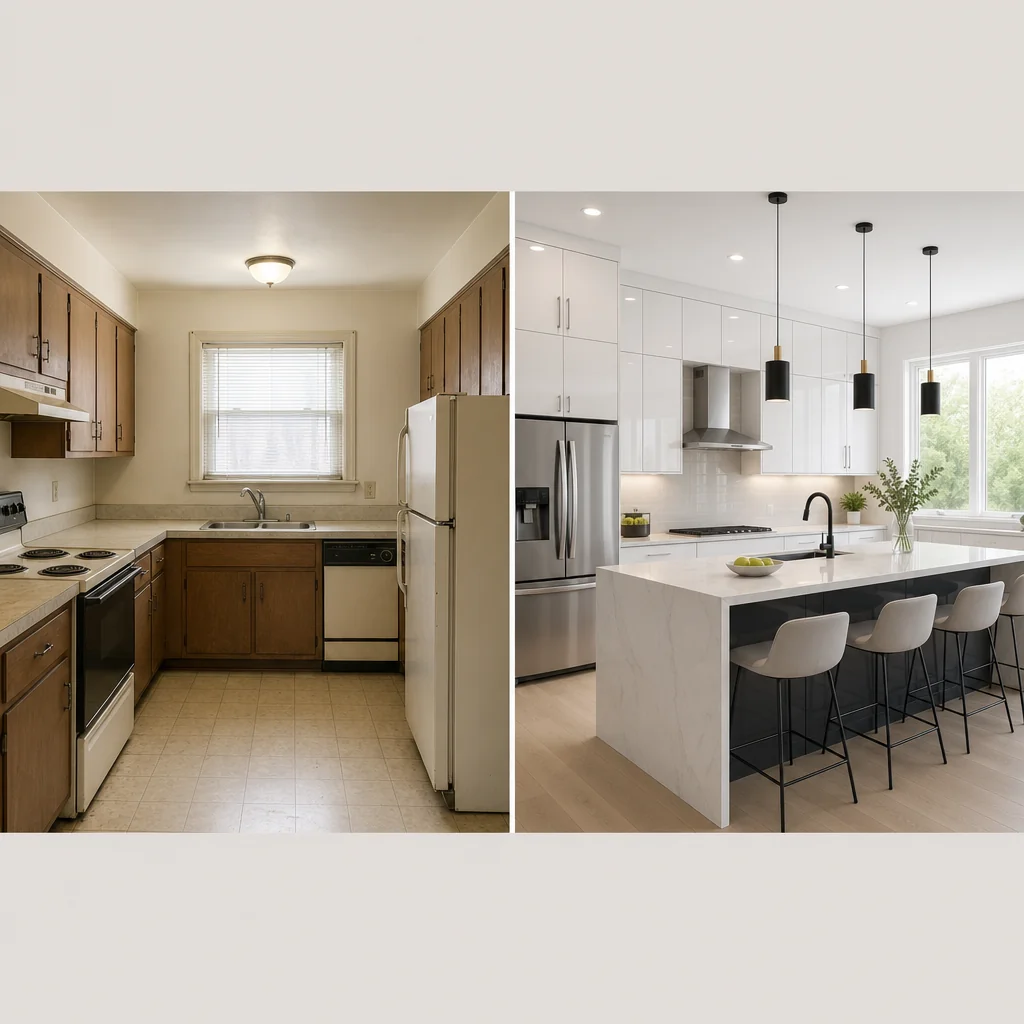
    The kitchen remains the most influential room for buyers. A strategic kitchen refresh—updating cabinets, installing quartz countertops, and adding energy‑efficient appliances—can add 7‑10% to a home’s value.

    • Cost range: $25,000 – $45,000
    • Typical ROI: 75% – 85%

    Tip: Keep the layout open and maintain the historic character of brownstone kitchens where possible.

    2. Bathroom Modernization

    Adding a second bathroom or upgrading fixtures, lighting, and tile can yield an ROI of 70%+. Choose modern vanities, walk‑in showers, and water‑saving fixtures.

    • Cost range: $12,000 – $30,000
    • Typical ROI: 70% – 80%

    3. Energy‑Efficient Windows and Insulation

    Brooklyn’s older properties often have single‑pane windows that leak heat. Replacing them with double‑pane, low‑E windows reduces utility costs and improves comfort—an attractive selling point.

    • Cost range: $10,000 – $20,000
    • Typical ROI: 65% – 75%

    Pair window upgrades with attic and wall insulation for maximum impact.

    4. Outdoor Living Spaces

    Brooklyn residents love outdoor spaces. Adding a small deck, balcony railing upgrade, or landscaped garden can increase curb appeal and property value.

    • Cost range: $5,000 – $15,000
    • Typical ROI: 60% – 70%

    Even a modest container garden with native plants can make a big difference.

    5. Smart Home Technology

    Integrating smart thermostats, lighting, and security systems is increasingly expected by tech‑savvy buyers. These upgrades are relatively low‑cost but can set your listing apart.

    • Cost range: $2,000 – $5,000
    • Typical ROI: 80%+

    Renovation Planning Tips

    • Get permits: Brooklyn requires permits for most structural changes; ensure compliance to avoid resale delays.
    • Hire local contractors: Choose contractors familiar with historic building codes to preserve architectural integrity.
    • Budget for contingencies: Set aside 10% of the project cost for unexpected issues.

    How Ditmas Realty Group Can Assist

    We provide pre‑renovation consultations, market analysis on the most profitable upgrades, and connections to vetted contractors. Reach out to schedule a complimentary renovation strategy session.

  • Understanding Brooklyn Real Estate Market Trends in 2024

    Understanding Brooklyn Real Estate Market Trends in 2024

    The Brooklyn real‑estate market continues to evolve, driven by shifting demographics, remote‑work trends, and new construction. For buyers, sellers, and investors, staying ahead of these trends is essential. Below we break down the most important data points for 2024 and explain what they mean for your next move.

    1. Median Home Prices – Where Are We Now?

    According to the latest MLS data, the median price for a single‑family home in Brooklyn stands at $950,000, a 3.2% increase year‑over‑year. Condos average $620,000, up 2.8%.

    Key drivers:

    • Limited inventory in high‑demand neighborhoods (Park Slope, Brooklyn Heights)
    • Inflow of out‑of‑state buyers seeking a suburban feel with urban access
    • Continued low‑interest rates, though rates have risen modestly since 2023

    2. Inventory Levels and Days on Market

    Overall inventory is down 7% compared to last year, with the average days on market (DOM) falling from 45 to 38 days. This signals a seller‑favoring environment, especially for well‑priced, move‑in ready homes.

    3. Rental Market Insight

    Brooklyn’s rental market remains robust. The average rent for a two‑bedroom apartment is $2,950, a 4% increase YoY. Neighborhoods near transit hubs—Williamsburg, Greenpoint, and Downtown Brooklyn—see the highest demand.

    4. Buyer Demographics

    Two primary buyer groups dominate the market:

    1. Young Professionals (ages 28‑38) – Seeking condos near nightlife and coworking spaces.
    2. Growing Families (ages 35‑45) – Looking for townhouses with schools and parks.

    Both groups prioritize walkability and access to green space.

    5. Emerging Neighborhoods

    Areas that previously lagged are gaining attention:

    • Sunset Park – New waterfront development and improved subway service.
    • Bushwick – Creative community, rising condo conversions.
    • Bedford-Stuyvesant – Historic architecture with increasing renovation activity.

    6. Impact of New Construction

    Brooklyn’s building‑permit office reported 1,200 new residential permits in Q1 2024, a 15% increase over Q1 2023. Expect more mixed‑use towers in Downtown Brooklyn and the Atlantic Avenue corridor, adding supply and potentially tempering price growth.

    7. What This Means for You

    Buyers: Act quickly on properties that meet your criteria. Low inventory means less negotiating room, but a well‑priced home can still provide equity upside.

    Sellers: Take advantage of the seller’s market. Consider staging and minor upgrades to maximize your home’s appeal and price.

    Investors: Look at multifamily assets in emerging neighborhoods for higher yields, and keep an eye on rent growth trends.

    How Ditmas Realty Group Helps You Navigate the Market

    Our agents leverage proprietary market dashboards that track price trends, inventory, and buyer behavior in real time. Contact us for a customized market report and a strategy session tailored to your goals.

  • How to Choose the Perfect Brooklyn Neighborhood for Your Family

    How to Choose the Perfect Brooklyn Neighborhood for Your Family

    Finding the right neighborhood in Brooklyn can feel like solving a puzzle. With its diverse communities, historic brownstones, and vibrant cultural scenes, the borough offers something for every family. In this guide, we break down the most important criteria—school quality, transportation, green space, safety, and community vibe—so you can make an informed decision.

    1. Prioritize School Quality

    Even if your children are not yet school‑age, the reputation of local schools influences resale value. Use resources like NYSED school ratings and community forums to gauge performance. Look for neighborhoods with:

    • High test scores and graduation rates
    • Strong extracurricular programs
    • Active parent‑teacher associations

    Areas such as Park Slope, Bay Ridge, and Brooklyn Heights consistently rank high on these metrics.

    2. Evaluate Commute and Transportation Options

    Brooklyn’s public‑transport network is extensive, but proximity to a subway line that matches your work location can save hours each week. Consider:

    1. Distance to the nearest station
    2. Frequency of service during peak hours
    3. Bike‑friendly routes if you prefer cycling

    Neighborhoods like Williamsburg, Greenpoint, and Crown Heights offer multiple lines (L, G, A, C) that connect quickly to Manhattan.

    3. Access to Green Spaces and Recreation

    Kids need places to play, and families benefit from nearby parks for weekend picnics. Look for streets within a 5‑minute walk of:

    • Prospect Park – a massive, multi‑use park with playgrounds and a zoo
    • McCarren Park – popular for its track, pool, and dog area
    • Local playgrounds and community gardens

    Neighborhoods such as Prospect Lefferts Gardens and Fort Greene excel in this category.

    4. Safety and Community Feel

    Review crime statistics on the NYPD website and talk to residents. A safe neighborhood often has:

    • Well‑lit streets
    • Active neighborhood watch groups
    • Community events like block parties and farmer’s markets

    Places like Carroll Gardens and Red Hook are known for low crime rates and strong community bonds.

    5. Affordability and Future Value

    Set a realistic budget that includes mortgage, property taxes, and maintenance. Use tools like Zillow’s price‑trend charts to see whether a neighborhood is appreciating. Generally, emerging areas such as Sunset Park and Bushwick offer lower entry prices with strong upside potential.

    6. Walkability and Local Amenities

    Families appreciate walkable streets where grocery stores, pediatricians, and coffee shops are just a stroll away. Check the Walk Score® for each area; a score above 80 indicates “very walkable.”

    Putting It All Together

    Start by ranking each factor according to your family’s priorities. Create a spreadsheet, assign scores, and compare neighborhoods side by side. Visiting in person—especially on a Saturday—will give you a true sense of the community vibe.

    Why Ditmas Realty Group Can Help

    Our agents live in the neighborhoods they sell. We combine market data with personal experience to match you with a home that meets all of your criteria. Contact us today for a personalized neighborhood tour.